
The Company can Potentially Manufacture the Best Standard Chilli Powder to Offer Premium-Grade Supplies to its Customers.
Maharashtra has emerged as a leading hub for spice manufacturing due to its strong agricultural base, modern food-processing infrastructure, and efficient logistics network. Chilli powder is a key spice widely used in homes, hotels, restaurants, and food industries for its vibrant color and pungency. With the rising global demand for Indian cuisine, a reliable Chilli Powder Manufacturer in Maharashtra plays a vital role in ensuring consistent quality, purity, rich color, and compliance with food safety standards.
What Is Chilli Powder?
Chilli powder is a fine spice, prepared from very selectively dried red chillies, used for adding color, taste, and hotness to all types of food. Various grades—Byadgi, Guntur, Kashmiri, or Teja—are chosen according to the type of pungency and color value required. Important parameters to evaluate good quality chilli powder include deep natural red color, moderated heat, fresh aroma, and free-flowing texture. Due to its central role in Kitchen, Restaurants, Spice Blends, Snacks, Sauces, Pickles, Ready-To-Eat Foods, and Food Processing Industries, it is applied not just in culinary but also industrial purposes..
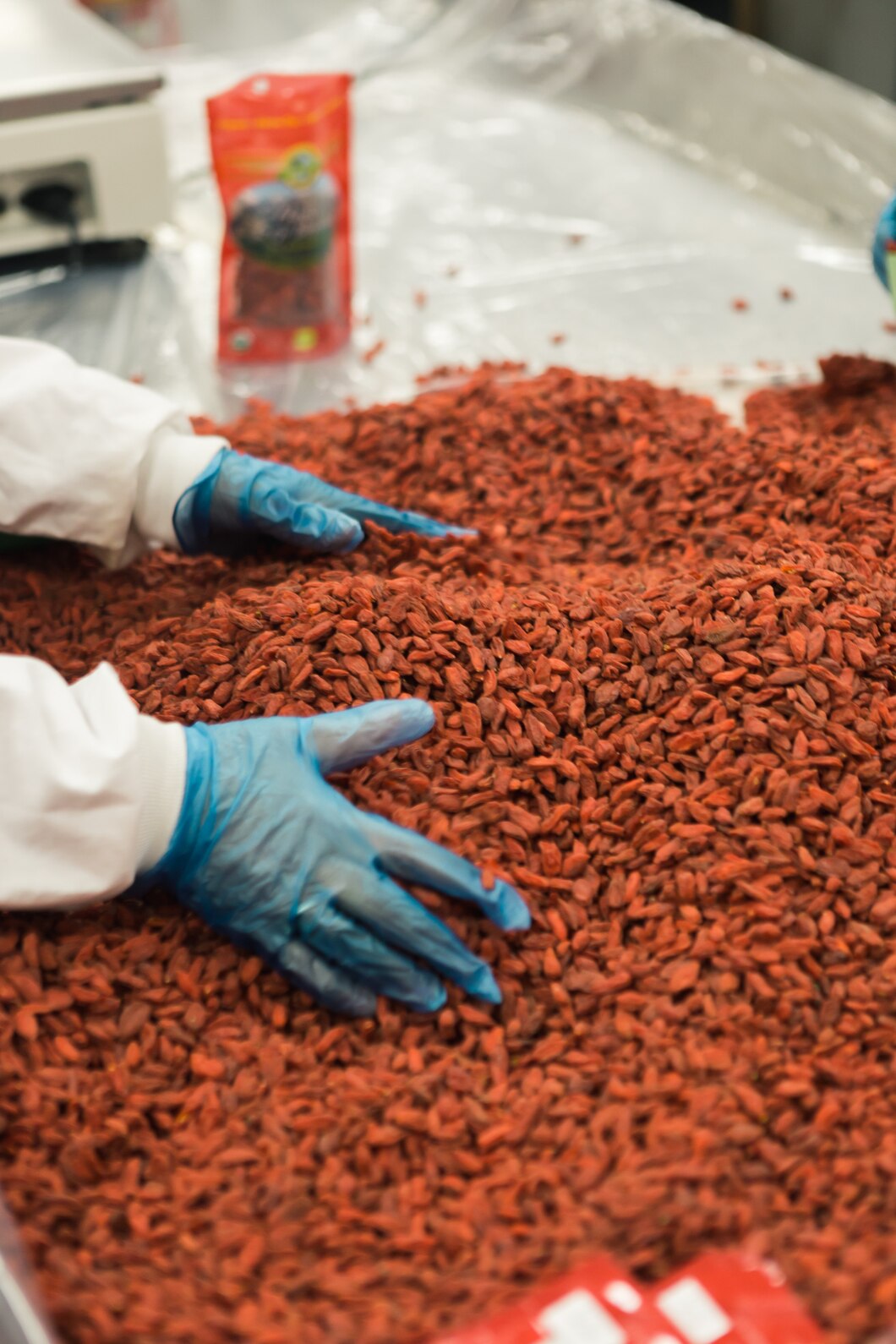
Manufacturing Process of Chilli Powder
- Sourcing Premium Grade Dried Red Chillies from Trustworthy Farmers
Processing starts with the careful selection of premium-grade dried red chillies from dependable farmers’ markets and agricultural markets. The manufacturers choose the chillies based on type, maturity, color value, and level of pungency. The direct sourcing guarantees traceability, consistent quality, and raw materials that are free of excessive moisture, molds, or pesticide superimpositions. Well-grown sun-dried chillies provide the basis for high-grade chilli powder.
- Cleaning and Sorting for Dust, Stems, and Foreign Matters
After sourcing, the dried red chillies are cleaned and sorted. Advanced cleaning systems with manual inspection are used for the removal of dust, stones, stems, spoiled pods, and any foreign matters. The purpose of this step is crucial for food safety habits and prevention of contamination occurring inside the processing unit. Only these clean and intact chillies are taken forward.
- Controlled Drying to Maintain Balance in Moisture
Post-cleaning, adjustable drying may be done to the chillies if the moisture levels are not fulfilling the requirement. Proper moisture control and proper drying eliminate fungal growth and increase the shelf life. Drying itself is done under controlled temperature conditions steady enough to care for the natural color, pungency, and essential oil profile without either burning or discoloring. The moisture balance assures smooth grinding and stable storage.
- Grinding in a Hygienic Environment Using Modern Technology
The dried chillies are ground in a hygienic environment with modern food-grade pulverizers. Grinding is generally under low temperature, maintaining the natural aroma, color strength, and heat. This stage pulverizes the whole chillies into fine powder, with minimal excess heat generation, which would destroy flavor and quality.
- Sieving to Obtain Uniform Particle Size
After grinding, the chilli powder is then sieved through precision sieves to achieve uniform particle size and smoothness. This sieving removes coarse particles and ensures conformity with respect to looks, mixing within recipes, and fulfillment of customer requirements. Uniformity in grinding creates better performances of the product in household and industrial functions.
- Packaging in moisture-proof aroma-retaining material
The very last step is sanitary packaging in food-grade materials that are moisture-proof and aroma-retaining. Proper packaging protects the chili powder from humidity, light, and air-soluble substances that cause deterioration of color and flavor. With respect to both bulk packaging and tamper-proof packaging, the product is fresh, has positive effects on shelf-life, and ensures safety en route to customers such as retailers, food processors, and export markets.
Uses of Chili Powder
- Household Cooking and Traditional Indian Cuisine
Chilli powder is regarded as a necessary spice in Indian kitchens, being the basis for an infinite number of traditional foods. The powder provides heat, an attractive and rich red coloration, and flavor to curries, vegetables, lentils, chutneys, and marinades. Various types of chilli powders will allow home cooks to temper and modify heat and appearance in an important spice utilized every day in the regional cooking of India.
- Hotels, Restaurants, and Catering
Chilli powder finds extensive usage in hotels, restaurants, and catering since it plays the same role in retaining taste and appearance. The basis of all excellence lies in a standardized chilli powder for preparing sauces, tandoor marinades, snacks, and fusion continental dishes. In bulk usage, uniformity of colour and pungency become imperative; thus, priority is given to high-quality chilli powder as fundamental to food quality and satisfaction of consumers.
- Ready-To-Eat, Snacks, and Spice Blends
In the processed food sector, chilli powder has been a major ingredient in ready meals, namkeens, extruded snacks, instant noodles, and seasoning mixes. It also occupies an honorary status among the core ingredients in blended spices like garam masala, pav bhaji masala, and chaat masala. This wide acceptance for usage has ensured that the consistent quality of chilli powder guarantees uniform taste and shelf stability of the finished products.
- Manufacture of Pickles, Sauces, and Masalas
Manufacturers of pickles, sauces, and masalas are known to rely heavily on chilli powder for its colour red and flavour-giving properties. Chilli powder provides zest to chutneys, tomato paste, chilli peas, and traditional Indian pickles. High colour-value chilli powder enhances external appearance whilst controlled pungency ensures balanced flavour profiles for commercial formulations.
- Export and Bulk Food Processing Industries
Its widespread use includes export-oriented and bulk food processing industries supplying international markets with markets in spice blends, sauces, frozen foods, and ethnic food products. Export-grade chilli powder must meet stringent quality, hygiene, and safety standards; thus, it becomes a crucial ingredient for large-scale processors and global food brands.
Conclusion
Chilli powder production in Maharashtra indicates an agro base well supported by modern processing with assured quality. Sourcing quality dried red chillies, hygienic grinding, rigorous quality testing, and safe packaging all under one roof guarantee that Chilli powder retains color, pungency, purity, and food safety. The ever-increasing demands from HoReCa, food processing industries, and Export markets reinforce the need to select an experienced chilli powder manufacturer for consistent taste and standard adherence. The trusted manufacturers from Maharashtra are the links between domestic consumption and global supply with safe, quality, and authentic chilli powder products.